
Braces vs. Invisalign: Which is Better for Your Smile?
MO
Introduction to Braces and Invisalign
When it comes to straightening your teeth, the choice between braces and Invisalign can be a daunting decision. Both options have their unique benefits and drawbacks, and understanding these can help you make an informed decision. Whether you're an adult or a teenager, aligning your smile can boost your confidence and improve oral health.
The Basics of Braces
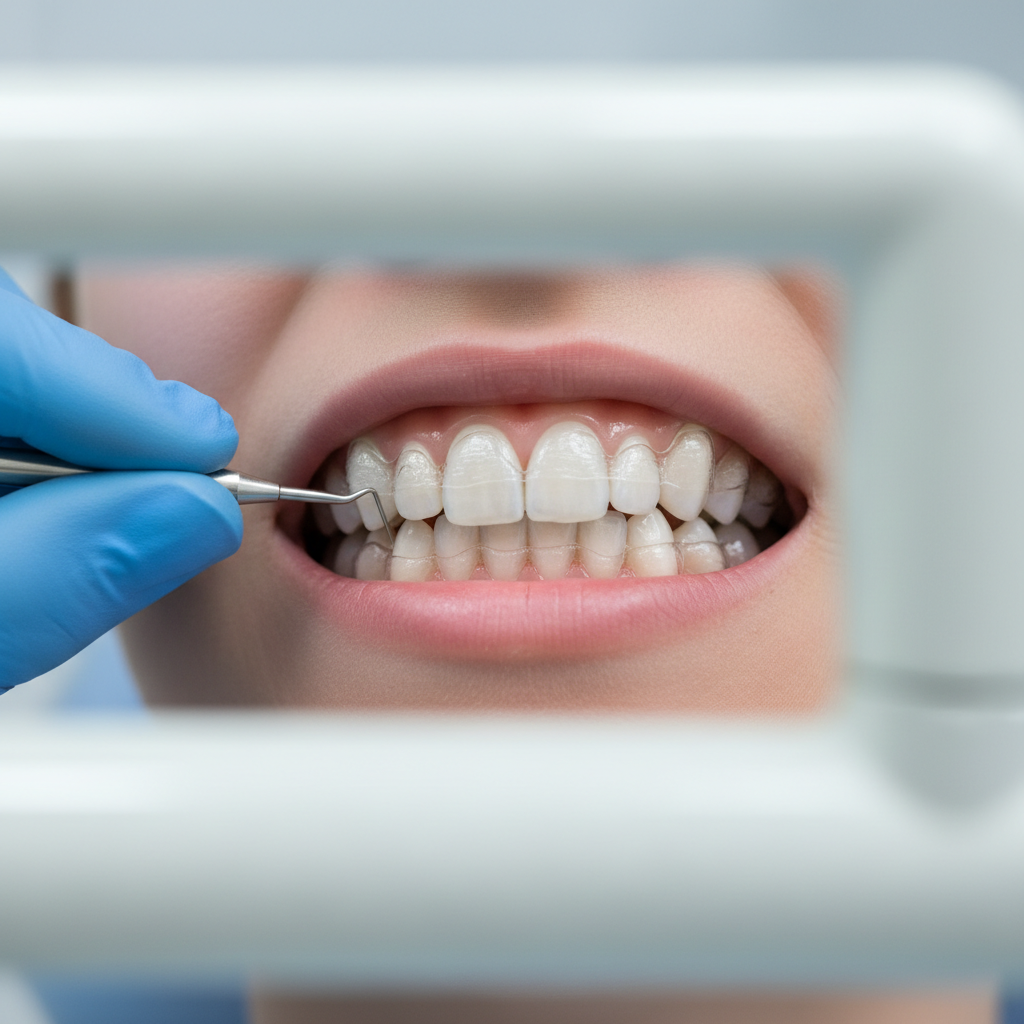
Braces have been a long-standing solution for correcting misaligned teeth. They consist of metal brackets glued to your teeth, connected by wires and rubber bands. Over time, braces move your teeth into the desired position. They are effective for treating complex dental issues, including severe crowding and bite problems.
Advantages of Braces
Braces are highly effective for complex cases. They can address multiple dental issues at once, providing a comprehensive solution. Additionally, modern braces are more comfortable and less noticeable than in the past, with options like ceramic braces that blend with your teeth.
Understanding Invisalign
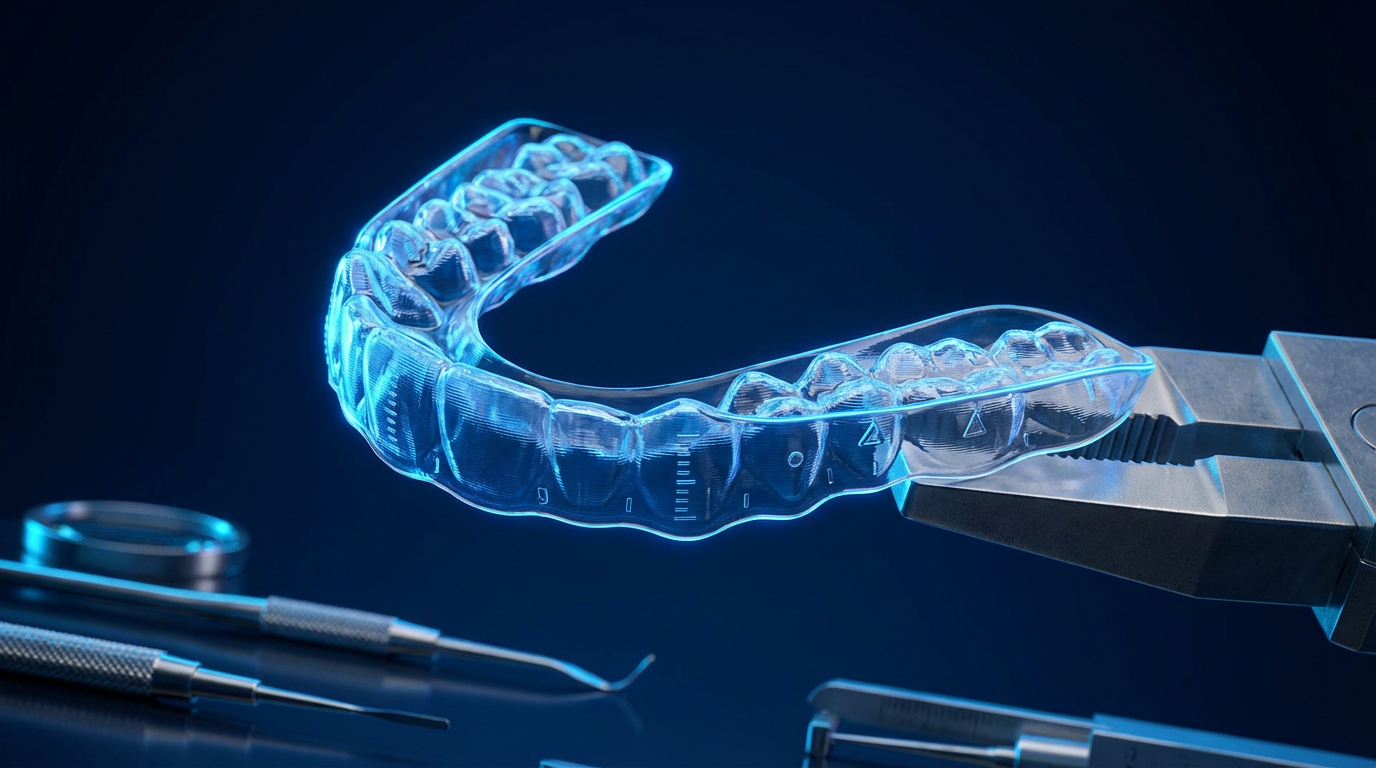
Invisalign offers a more modern approach to teeth straightening. It uses clear, removable aligners made from medical-grade plastic. These aligners are custom-made to fit snugly over your teeth and gradually shift them into place. Invisalign is popular for its discreet appearance and convenience.
Benefits of Invisalign
The most notable advantage of Invisalign is its invisibility. The clear aligners are barely noticeable, making them ideal for those who wish to straighten their teeth without drawing attention. Additionally, they are removable, allowing for easier cleaning and the ability to eat without restrictions.
Comparing Comfort and Convenience
Comfort is a crucial factor when choosing between braces and Invisalign. Traditional braces can cause discomfort due to metal brackets and wires, while Invisalign aligners tend to be more comfortable, as they are smooth and custom-fitted.
Convenience Factors
In terms of convenience, Invisalign takes the lead. The ability to remove the aligners means fewer food restrictions and easier oral hygiene. However, this flexibility requires discipline, as the aligners must be worn 20-22 hours a day for optimal results.
Cost Considerations
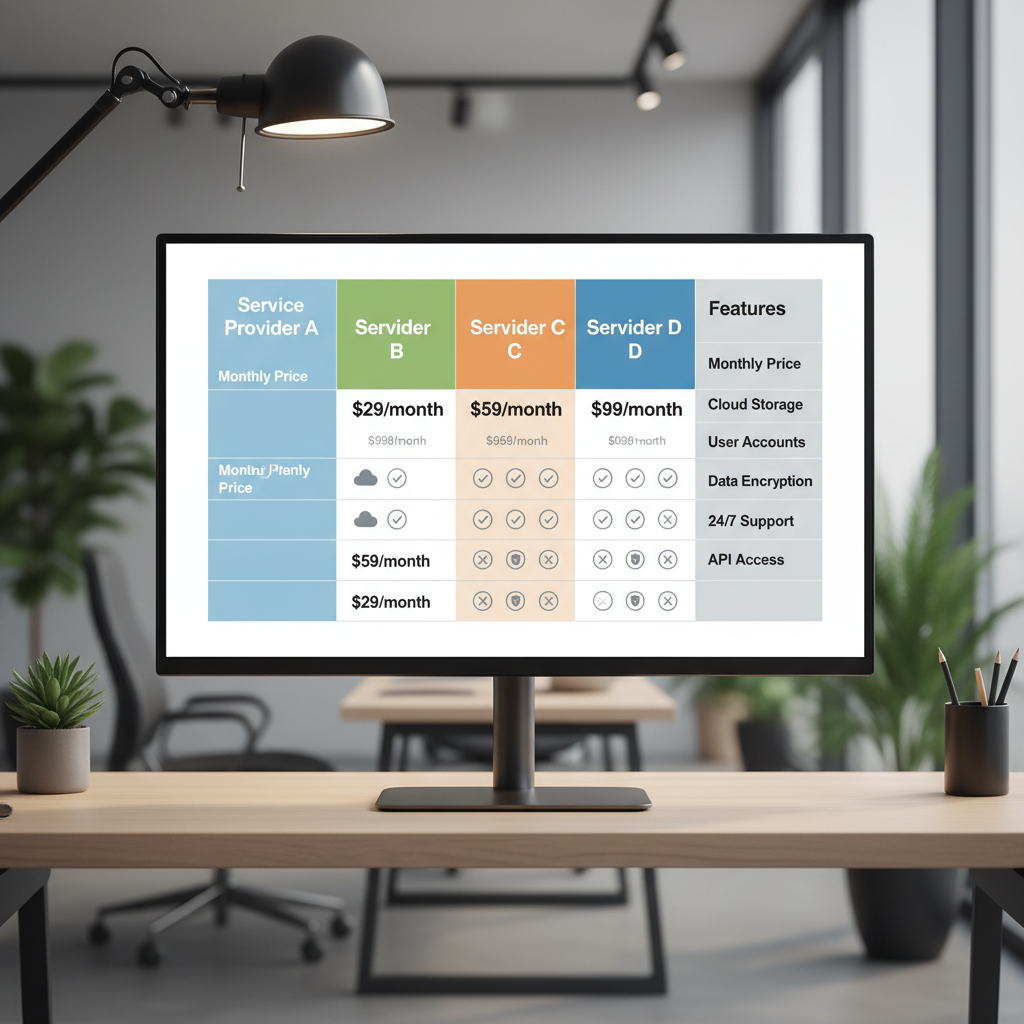
Cost is often a significant consideration in the decision-making process. Generally, the price of braces and Invisalign can vary based on the complexity of the case and the location of treatment. Braces might be more cost-effective for complex corrections, while Invisalign tends to be priced higher due to its technology and aesthetic appeal.
Choosing the Right Option for You
Both braces and Invisalign have their pros and cons. The right choice depends on various factors, including the complexity of your dental issues, lifestyle preferences, and budget. Consulting with an orthodontist can provide personalized recommendations based on your specific needs.
Ultimately, whether you choose braces or Invisalign, achieving a beautiful, straight smile is a rewarding investment in your self-esteem and overall health.