
Clear Aligners vs. Traditional Braces: What’s Right for You?
MO
Introduction to Orthodontic Options
When it comes to achieving that perfect smile, two options often come to mind: clear aligners and traditional braces. Both methods are effective in straightening teeth, but they come with different features that might make one more suitable for you than the other. Understanding the differences can help you make an informed decision.

Clear Aligners
What Are Clear Aligners?
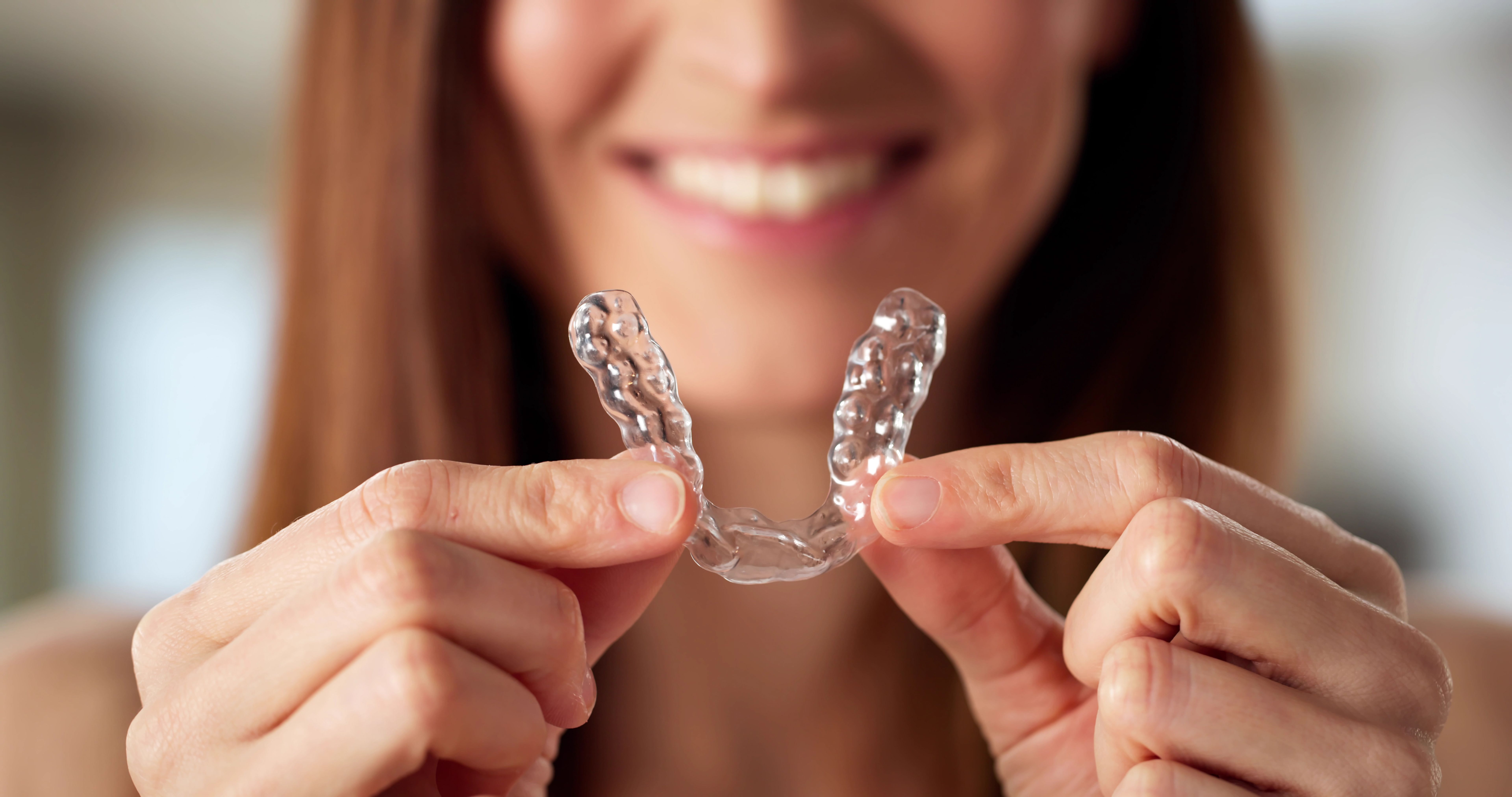
Clear aligners are a modern orthodontic solution that uses a series of custom-made, removable trays to gradually shift teeth into place. Made from transparent plastic, they are nearly invisible, offering a discreet way to improve your smile.
Benefits of Clear Aligners
One of the biggest advantages of clear aligners is their aesthetic appeal. Because they are transparent, they are hardly noticeable. They are also removable, making it easier to maintain oral hygiene and enjoy your favorite foods without restrictions. Additionally, clear aligners tend to be more comfortable, as they don't have wires or brackets that can irritate the mouth.
Considerations
While clear aligners are convenient, they do require discipline. You need to wear them for 20-22 hours a day for effective results. They may not be suitable for complex orthodontic issues, so a consultation with an orthodontist is essential to determine if they are right for you.
Traditional Braces
Understanding Traditional Braces
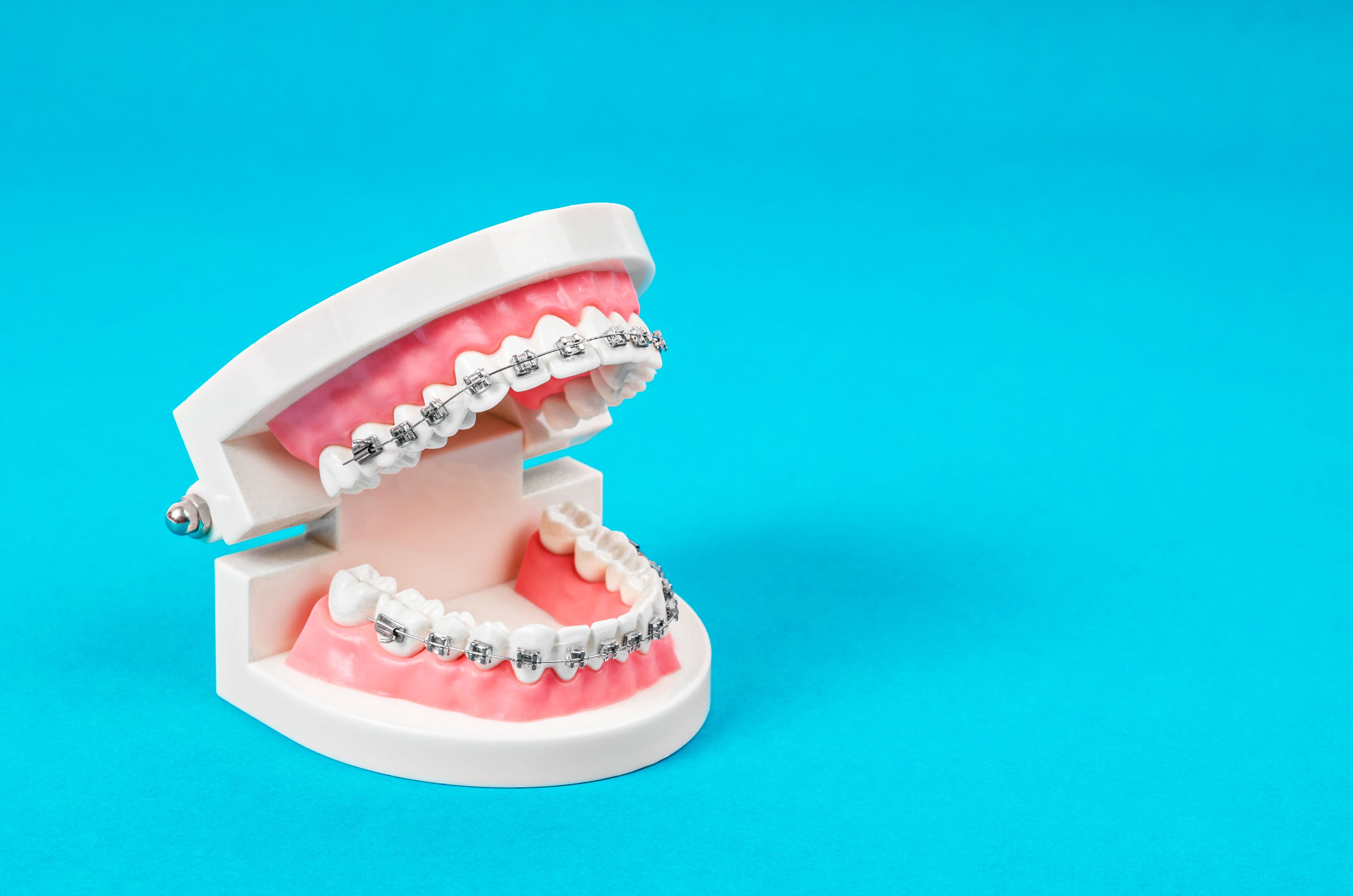
Traditional braces are a tried-and-true method for correcting dental alignment. They consist of metal brackets glued to the teeth and connected by wires, which are periodically tightened to shift teeth into place.
Advantages of Traditional Braces
Traditional braces are highly effective for a wide range of dental issues, including more complex cases that might not be treatable with clear aligners. They don't require the discipline of removing and replacing them daily, as they are fixed appliances.
Drawbacks
However, the aesthetic aspect is a significant consideration, as metal braces are more noticeable. They also come with dietary restrictions and can make oral hygiene more challenging. Additionally, they might cause some discomfort due to the brackets and wires.
Making Your Choice
Deciding between clear aligners and traditional braces depends on several factors, including the complexity of your dental issues, your lifestyle, and your personal preferences. It's important to consult with an orthodontist who can assess your specific needs and guide you toward the best option.
Conclusion
Both clear aligners and traditional braces have their unique benefits and drawbacks. Clear aligners offer a subtle, flexible solution, while traditional braces provide a reliable approach for more complex adjustments. By understanding what each option entails, you can make a well-informed choice on your path to a straighter smile.